Tell us about the job
Takes about a minute. No obligation.
A furnace in Maui County fails differently than one that cycles through months of cold. Homes in Maui County, HI have essentially no heating season — no month of the year is cold enough to call for it. The burner, the heat exchanger, and the ignition system accumulate almost no runtime, so a contractor diagnosing a fault here looks first at what long dormancy does: seized components, degraded igniter contacts, cracked gaskets that dried out rather than wore out. Wear patterns tell a different story when the equipment barely ran, and a repair quote built around cycle-related failure will miss the actual problem.
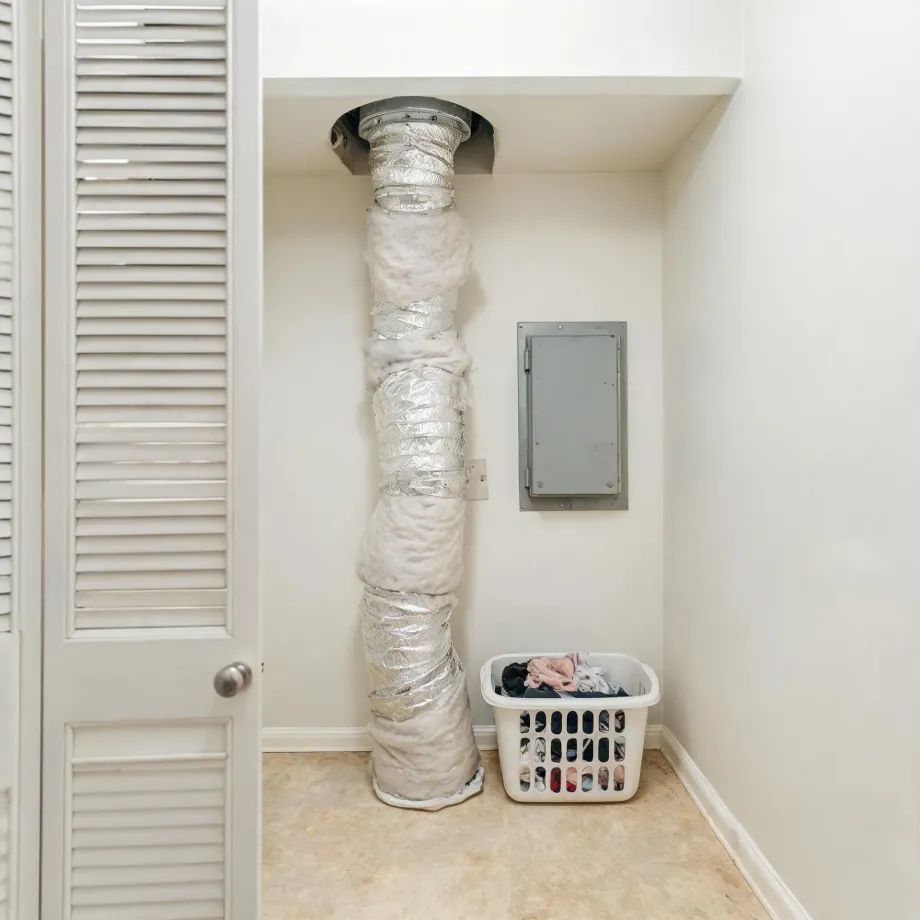
Older ductwork in a house tells a contractor nothing about what they will find once the furnace is open. Half the homes in Maui County, Hawaii were built in 1985 or earlier (2020-2024 ACS 5-year). That matters for repair work because the systems running in a significant share of that stock draw on parts that have cycled out of standard supply lines. A contractor opening a heat exchanger or a control board here has to confirm whether a replacement part is still made before the repair scope can be priced.
The Parts of a Furnace a Contractor Checks First
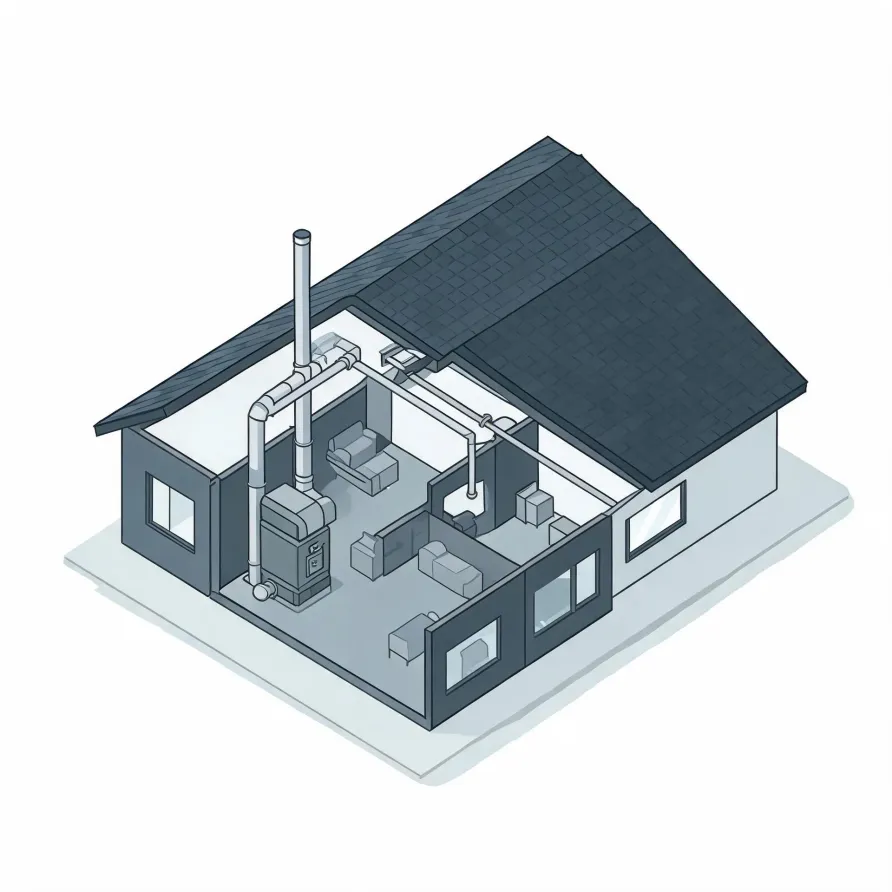
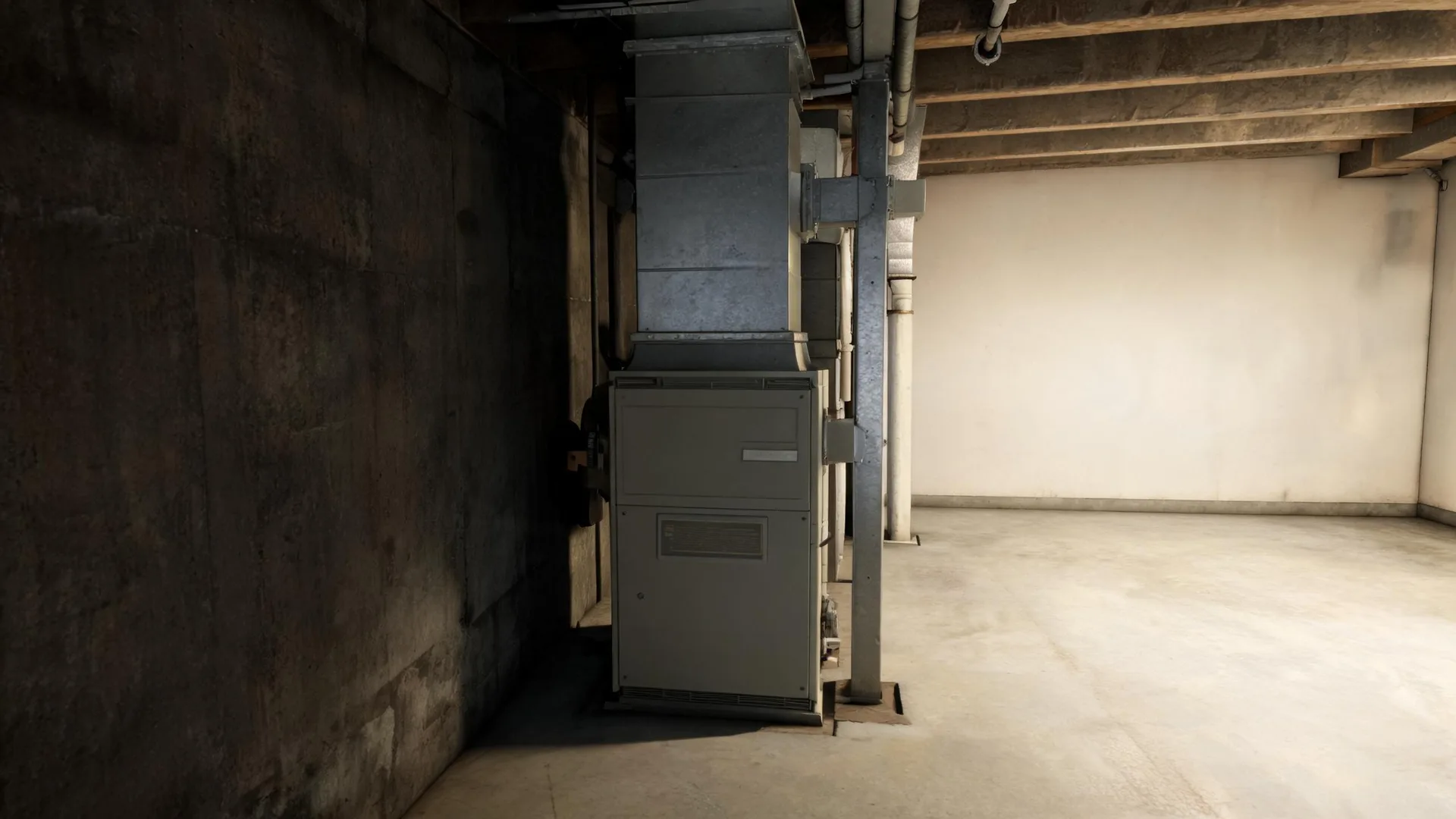
The furnace itself sits in a utility room, basement, or closet and is the piece that produces heat. Inside it, the heat exchanger, burners, and blower motor each carry a share of that work. When the system fails to heat or runs strangely, a contractor starts by reading what each of those internal components is doing.
The thermostat is what the homeowner sees and touches, mounted on a wall in the living space, and it is the part that tells the furnace when to fire and when to stop. The flue pipe runs from the furnace to an exterior vent and carries combustion gases out. Both are common sources of trouble and both get checked early.
The drawing shows a typical furnace layout, and a licensed contractor will determine which components apply to your specific system and what work they actually require.
Find a contractor in Maui CountyMaui County by the numbers
14 severe weather events were recorded in Maui County, Hawaii between 2015 and 2024.
NOAA National Centers for Environmental Information, Storm Events Database, bulk CSV export, events 2015-01-01 through 2024-12-31.Half the homes in Maui County, Hawaii were built in 1985 or earlier (2020-2024 ACS 5-year).
U.S. Census Bureau, 2020-2024 American Community Survey 5-Year EstimatesMaui County, Hawaii holds 72,279 housing units (2020-2024 ACS 5-year).
U.S. Census Bureau, 2020-2024 American Community Survey 5-Year EstimatesOwners occupy 65.6% of the occupied homes in Maui County, Hawaii (2020-2024 ACS 5-year).
U.S. Census Bureau, 2020-2024 American Community Survey 5-Year EstimatesCodes & Standards Governing Furnace Repair in Maui County, Hawaii6 sourced rules and standards
What the repair visit looks like
Non-weatherized gas furnaces manufactured on or after November 19, 2015 must reach 80.0 percent AFUE.
Non-weatherized oil-fired furnaces manufactured on or after November 19, 2015 must reach 83.0 percent AFUE.
Mobile home gas furnaces manufactured on or after November 19, 2015 must reach 80.0 percent AFUE.
Non-weatherized gas furnaces manufactured on or after December 18, 2028 must reach 95.0 percent AFUE, up from the 80.0 percent minimum that applies to units manufactured before that date.
Licensing Rules for Contractors in Maui County, Hawaii
Hawaii’s contractor licence does not reach a project whose total price for labour, materials, taxes and everything else is not more than $1,000 — but that exemption falls away whenever a building permit is required, whatever the price, and it never applies to part of a larger job.
Hawaii requires a contractor licence from the contractors license board: no person may act, assume to act, or advertise as a general engineering, general building or specialty contractor without one.